
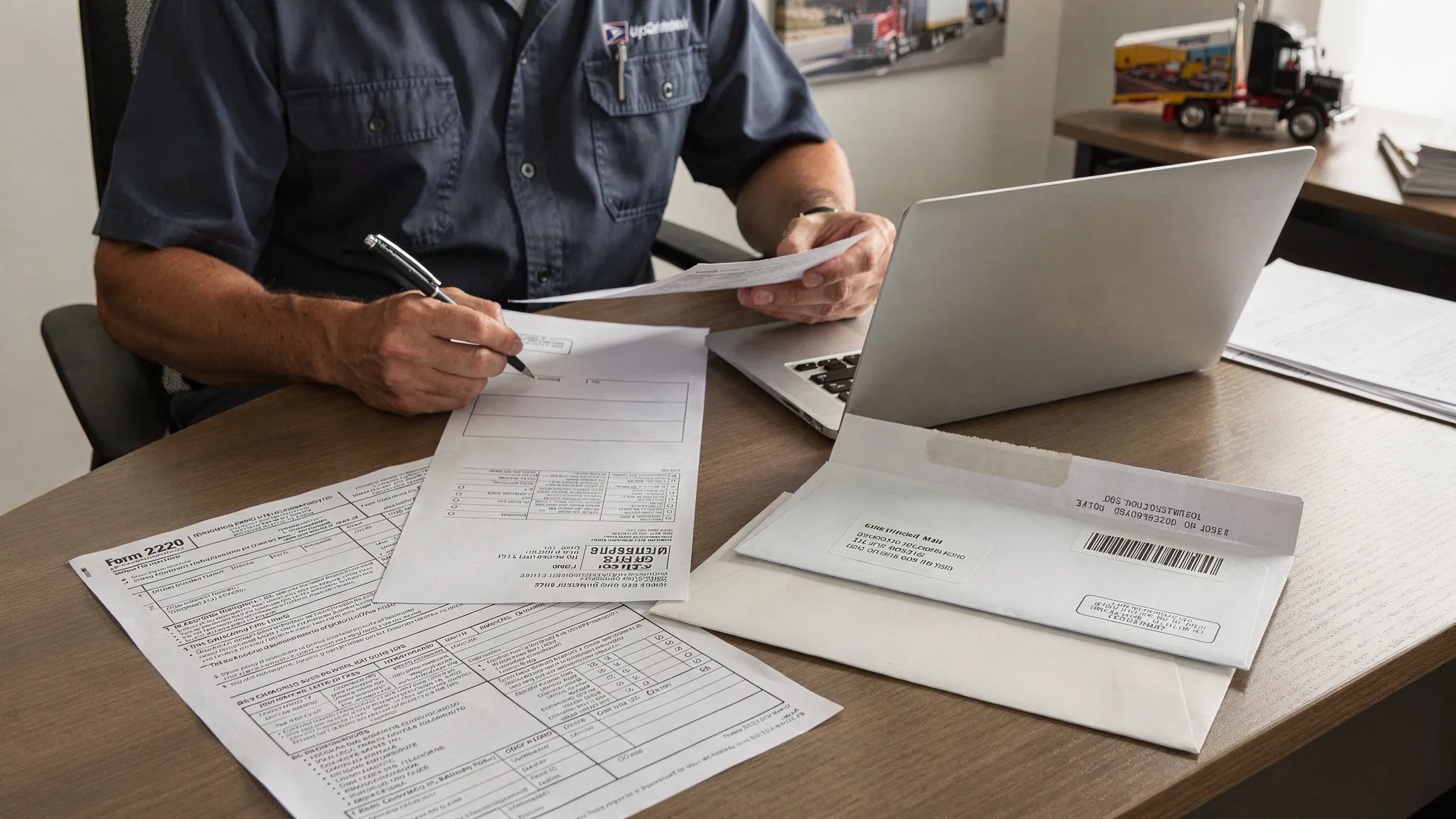


E-Filing in Florida is the process of submitting federal tax forms, including the IRS Form 2290 Heavy Vehicle Use Tax (HVUT) return, electronically through an IRS-approved online portal. Instead of mailing paper documents, Florida truckers and fleet owners transmit their information digitally and receive a stamped Schedule 1 within minutes.
With more than 49,000 trucking companies registered in Florida and over 200,000 heavy vehicles operating along I-75, I-95, and the Florida Turnpike, fast and accurate filing has become a business necessity. This guide explains what is e-filing in Florida, how it compares with traditional paper filing, the latest market trends shaping 2026, and the strategic steps owner-operators and fleet managers can take to avoid penalties. We will also share real examples and lessons learned from carriers who moved their HVUT workflow to SimpleForm2290.
What Is E-Filing in Florida and Why It Matters
Florida e filing refers to the electronic submission of IRS forms through approved digital providers. For trucking businesses, that almost always means Form 2290, the federal HVUT return required for any vehicle with a taxable gross weight of 55,000 pounds or more.
Here is why E-Filing in Florida is now the default choice:
- The IRS mandates electronic filing for fleets of 25 or more vehicles.
- Stamped Form 2290 schedule 1 is delivered within minutes, versus 4 to 6 weeks by mail.
- A digital Schedule 1 is required for IRP renewal at most Florida tax collectors.
According to IRS data, more than 91% of Form 2290 filings nationwide are now submitted electronically, up from roughly 60% a decade ago. Florida sits well above the national average because most county tax collectors will not issue tags without a digital Schedule 1.
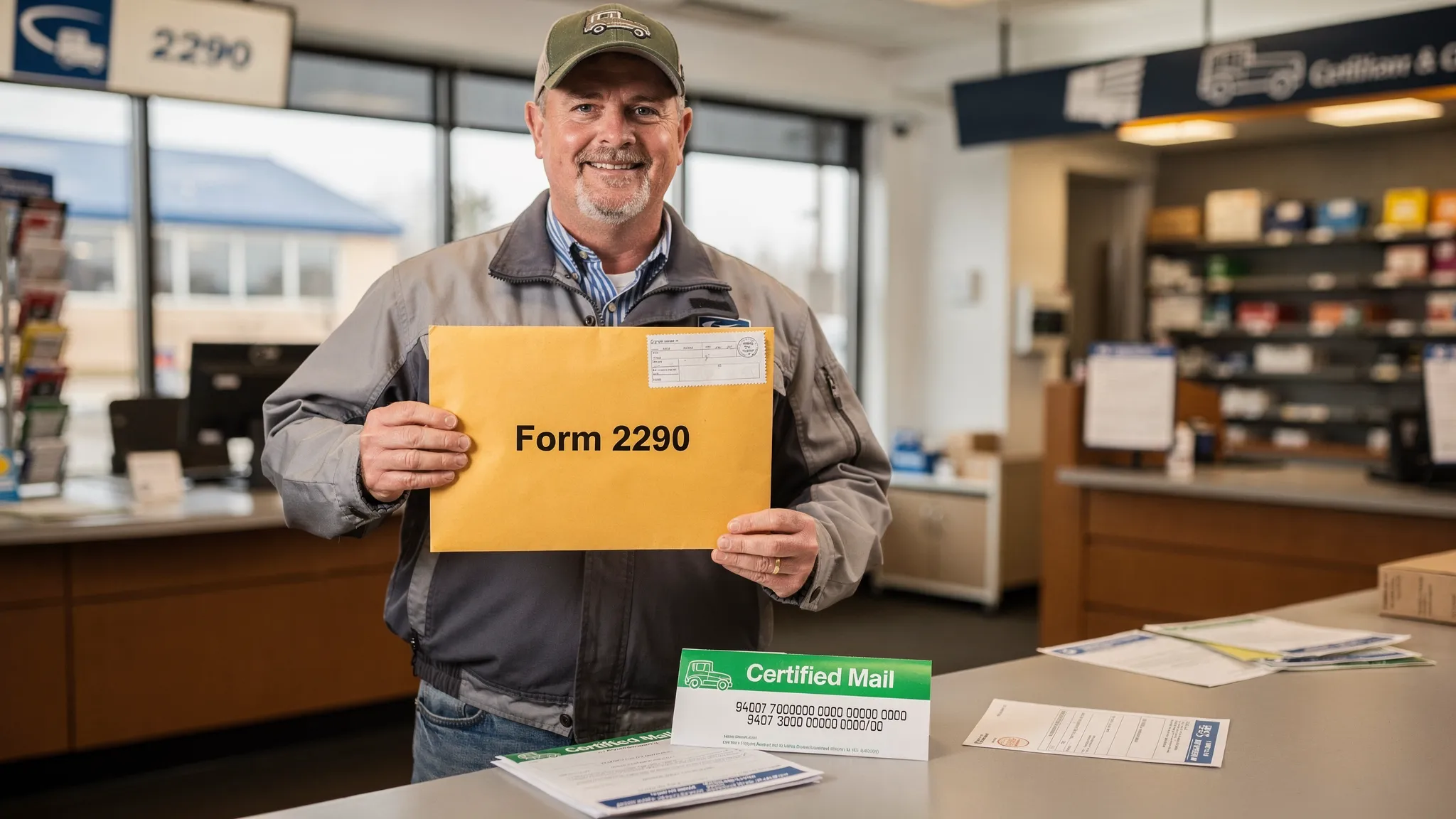
E-Filing vs Paper Filing: A Quick Comparison
| Factor | E-Filing | Paper Filing |
|---|---|---|
| Schedule 1 turnaround | Within minutes | 4 to 6 weeks |
| Error correction | Real-time validation | Manual rejection letter |
| Cost (single truck) | $7 to $15 | Postage plus delays |
| Approved by Florida DMV | Yes | Yes, but slow for IRP |
| Audit trail | Digital records stored online | Paper copies only |
The takeaway: even single-truck owner-operators benefit from Florida e filing because the time saved during IRP renewal far outweighs the small filing fee.
Step-by-Step E Filing Instructions Florida Truckers Should Follow
Clear e-filing in Florida instructions prevent most rejections. Here is the workflow recommended by SimpleForm2290:
- Gather your details. You will need your EIN (not an SSN), business name as registered with the IRS, vehicle identification number, taxable gross weight, and the first use month IRS 2290 rules require. If you do not have a federal ID yet, Apply for EIN at least two weeks before filing.
- Choose an IRS Authorized E-file Provider. Only approved platforms can transmit returns. SimpleForm2290 is one such provider and supports both single filings and bulk and fleet filing.
- Enter vehicle data. Double-check each VIN. A single mis-keyed character is the leading cause of Schedule 1 errors in Florida.
- Calculate HVUT. Use the IRS truck tax table or let the software auto-apply HVUT tax rates by weight. Tax ranges from $100 to $550 per vehicle annually.
- Pay and submit. Choose EFW, EFTPS, credit card, or check. You can electronic file form 2290 and pay online in one session.
- Download your stamped Schedule 1. Save it for IRP renewals and DOT audits.
These Florida e filing portal instructions mirror the official IRS workflow and apply whether you use the federal portal or a private platform.
Trends Shaping the Florida E Filing Service Landscape in 2026
Three trends are reshaping every Florida e filing service this year:
- Bulk filing growth. Florida fleets with 10 to 100 trucks are the fastest-growing user segment, up roughly 18% year over year.
- Mobile-first portals. More than 40% of Florida e-filing portal login sessions now happen on smartphones, pushing providers to redesign for tablet and phone use.
- Instant IRP integration. The 2290 Schedule 1 can now be transmitted directly to several Florida county tax collectors, cutting renewal time from days to hours.
Carriers who optimize their Florida e-filing portal login routine and save vehicle data year over year cut their August filing time by an average of 60%.
Correcting E Filing Mistakes Florida Carriers Commonly Make
Even with the best form 2290 instructions, mistakes happen. The most common are wrong VINs, wrong EINs, and misreported gross weights. The IRS allows quick fixes:
- VIN corrections are free and can be e-filed any time.
- Taxable Weight Amendments apply when a vehicle moves to a higher weight category mid-year.
- EIN errors require a brand new return because the IRS cannot match the original filing.
When correcting e filing mistakes Florida filers should act quickly, because penalties accrue at 4.5% of the unpaid tax per month, plus monthly interest. Staying on top of correcting e filing mistakes Florida fleets often face is one of the fastest ways to protect cash flow.
Why SimpleForm2290 Is Often Called the Cheapest 2290 E File Option
SimpleForm2290 was built for owner-operators and small fleets that want clarity, not complexity. Highlights include flat-rate single-truck pricing, free VIN corrections, bulk spreadsheet uploads, and round-the-clock support during the August deadline window. For carriers comparing the Best 2290 E-File Provider options, the platform consistently ranks among the most affordable services without sacrificing IRS-grade security.
FAQs
1. What is e-filing in Florida for Form 2290?
It is the electronic submission of the federal Heavy Vehicle Use Tax return through an IRS-authorized provider. It replaces paper Form 2290 with a faster, fully digital workflow that delivers a stamped Schedule 1 by email.
2. How long does Florida e filing take?
Most filings through SimpleForm2290 complete in under 10 minutes, with the stamped Schedule 1 delivered within minutes of IRS acceptance. Same-day IRP renewal is then possible at most Florida county tax collectors.
3. What do I need before I start e filing instructions Florida require?
You will need an EIN, your business legal name, VIN, taxable gross weight, and first-use month. Florida e filing portal instructions also recommend having your bank or card details ready for HVUT payment so the return clears in one session.
4. How do I fix a mistake after submission?
Use the same provider to file a VIN correction or a Taxable Weight Amendment. For EIN errors, you must file a brand new return. Following the right e-filing in Florida instructions for amendments helps you avoid double penalties.
5. Is E-Filing in Florida mandatory?
The IRS requires e-filing for fleets of 25 or more vehicles, but it is strongly recommended for all carriers because most Florida tax collectors will not accept paper Schedule 1 for IRP renewals.
Final Thoughts
E-Filing in Florida has shifted from a convenience to a competitive advantage. With faster Schedule 1 turnaround, cleaner audit trails, and direct IRP integration, carriers who move online consistently spend less time on paperwork and more time on the road. SimpleForm2290 makes that transition simple, affordable, and fully IRS-compliant from the very first filing.